

Three Things
Warm soups for chilly nights, a legendary kale salad, a new novel from George Saunders

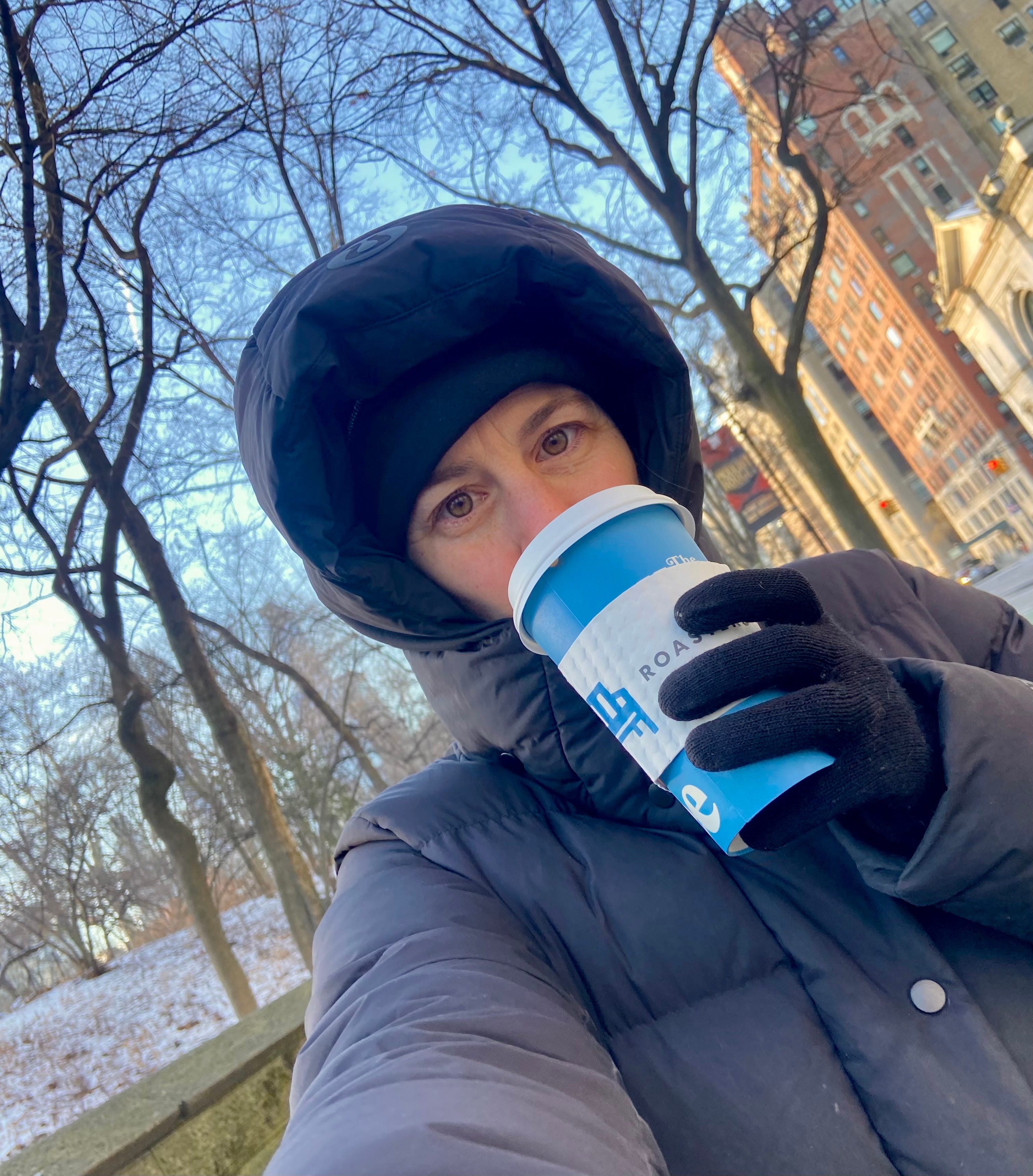
Greetings everyone! Hope you’re all staying warm — it snowed over the weekend here in New York, which thrilled me if for no other reason than it makes my brisk morning coffee walk along Central Park feel winter-wonderland-y, as opposed to just freaking frigid. Meanwhile, all month I’ve been trying to think of ways to celebrate a kinda big Dinner: Love Story milestone: It was five years ago this week — nine months into the pandemic — when I pressed “send” on my first newsletter. You’d think the girl who wrote How to Celebrate Everything would be able to come up with some creative way to mark the occasion, but all I can think to do is, once again, say thank you everyone for being here (THANK YOU FOR BEING HERE!) and maybe flip the script a bit to ask: How should I celebrate? What should I cook this week that feels celebratory and, dare I say it, meaningful?
In other news, fellow Connections fanatics: Did you know that there is an actual website where you can customize Connections puzzles for friends? It’s my new favorite birthday gift that requires no gift wrap. Now that I think about it, I should’ve made one in honor of my anniversary. (Pork…Ragu…Solvitur…Ambulando…Rancho…Gordo…Elizabeth…Strout…iykyk) Here are Three Things I’d like to tell you about this week…



1. This Week in Restaurant Replication
I’m pleased to report that, inspired by a December dinner at New York’s Barbuto (above, left) and Adam Roberts’s well-timed post on Barbuto’s famous kale salad, I…yep…made the famous Barbuto Kale Salad. This was not the Kale Salad That Started it All (that honor is goes to the one Joshua McFadden created for Brooklyn’s Franny’s in the mid-aughts), but this dish certainly helped popularize the technique of massaging kale to it more tender and less bitter. In this recipe, Barbuto’s legendary chef and owner Jonathan Waxman asks you to toss finely shredded kale ribbons with a Caesar-type dressing, then, using your hands, really work the dressing into the kale until it breaks down and tenderizes. I found this took a solid five minutes, plus another hour of sitting (and flavor-melding) in the fridge. As Waxman writes in the recipe: “This will release the enzymes from the kale to interact with the dressing’s acid and salt. This creates magic!” It really does! I ate my salad with quick crispy chickpeas, but how amazing would it be alongside a Roast Chicken for a January Sunday dinner?


2. Soup’s On
Does your brain go right to soup when you see snow? Mine certainly does, and to that end, here are a few recipes in the running for dinner this week: Top row (L to R): Cioppino (or Tomatoey Fish Stew) which is so good with the accompanying garlic bread; Easiest White Bean Soup with Croutons and Extras, as easy as advertised; Carrot-Coconut Soup with Bean Sprouts and Tofu, the sleeper hit from last week’s Vegetarian Challenge menu. Middle row: Emeril’s Harira, something of a project but always worth it; That Beef Barley I made for my Mom last year! Why haven’t I made it since? Gingery Chicken Soup with Vegetables, easy and comforting. Bottom row: Minestrone (from The Weekday Vegetarians: Get Simple); Classic Maine-Style Fish Chowder that would hit so hard right now; Tomato Soup with Barley and Feta, from 2025’s Vegetarian Challenge. See also: SOUPS in the Main Recipe Index.
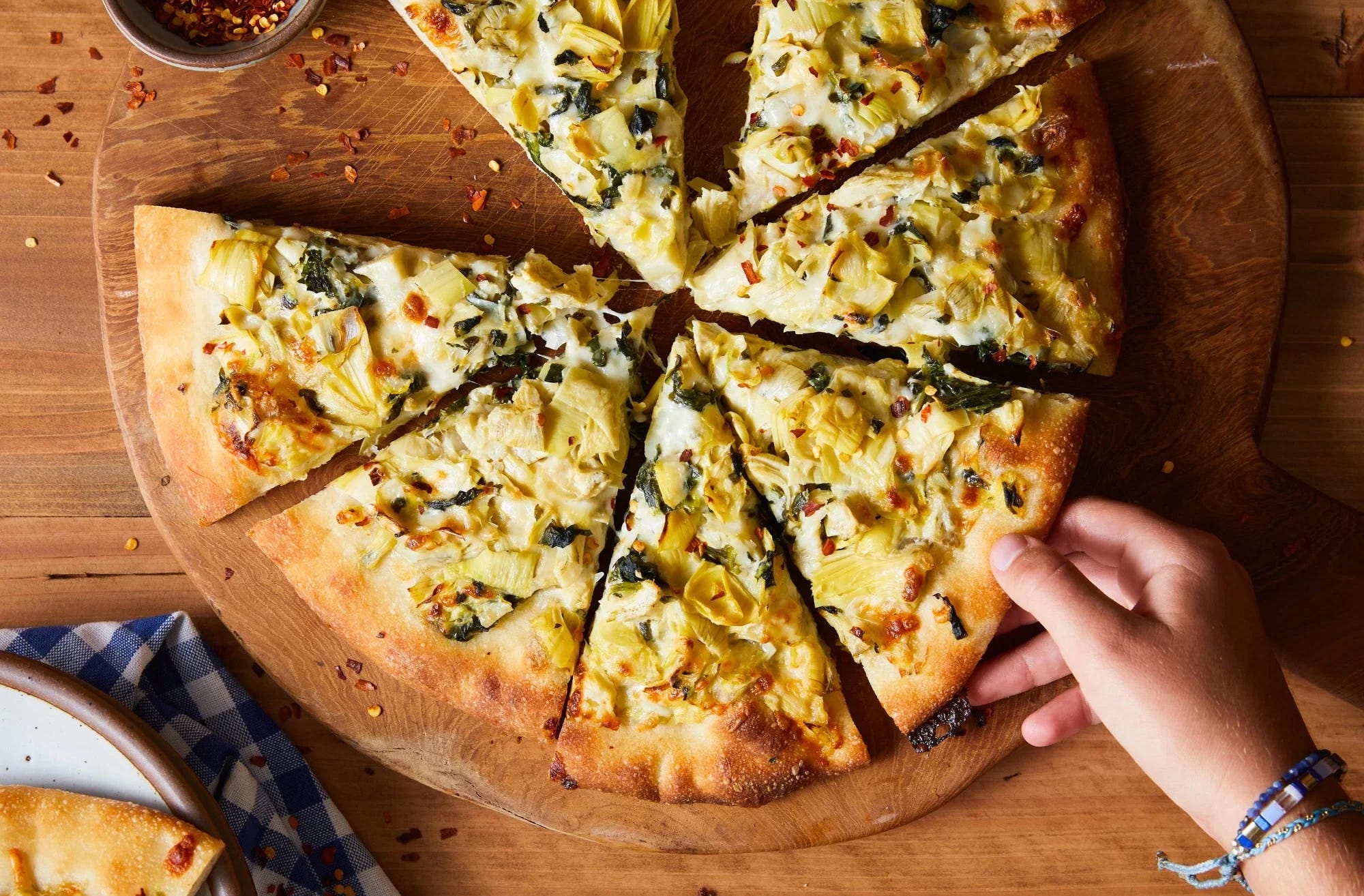
P.S. This Friday, I’m sending out the final menu-plan in January’s Four-Week Weekday Vegetarian Dinner Challenge, but if you’re late to the party, good news: You can start any time you want all year long. You just have to be a subscriber. Last week’s menu plan featured Family-Friendly Dinners like this Artichoke-Spinach Pizza which is what the famous dip would be…if it was a pizza. It’s a winner.
3. Specificity Negates Judgment
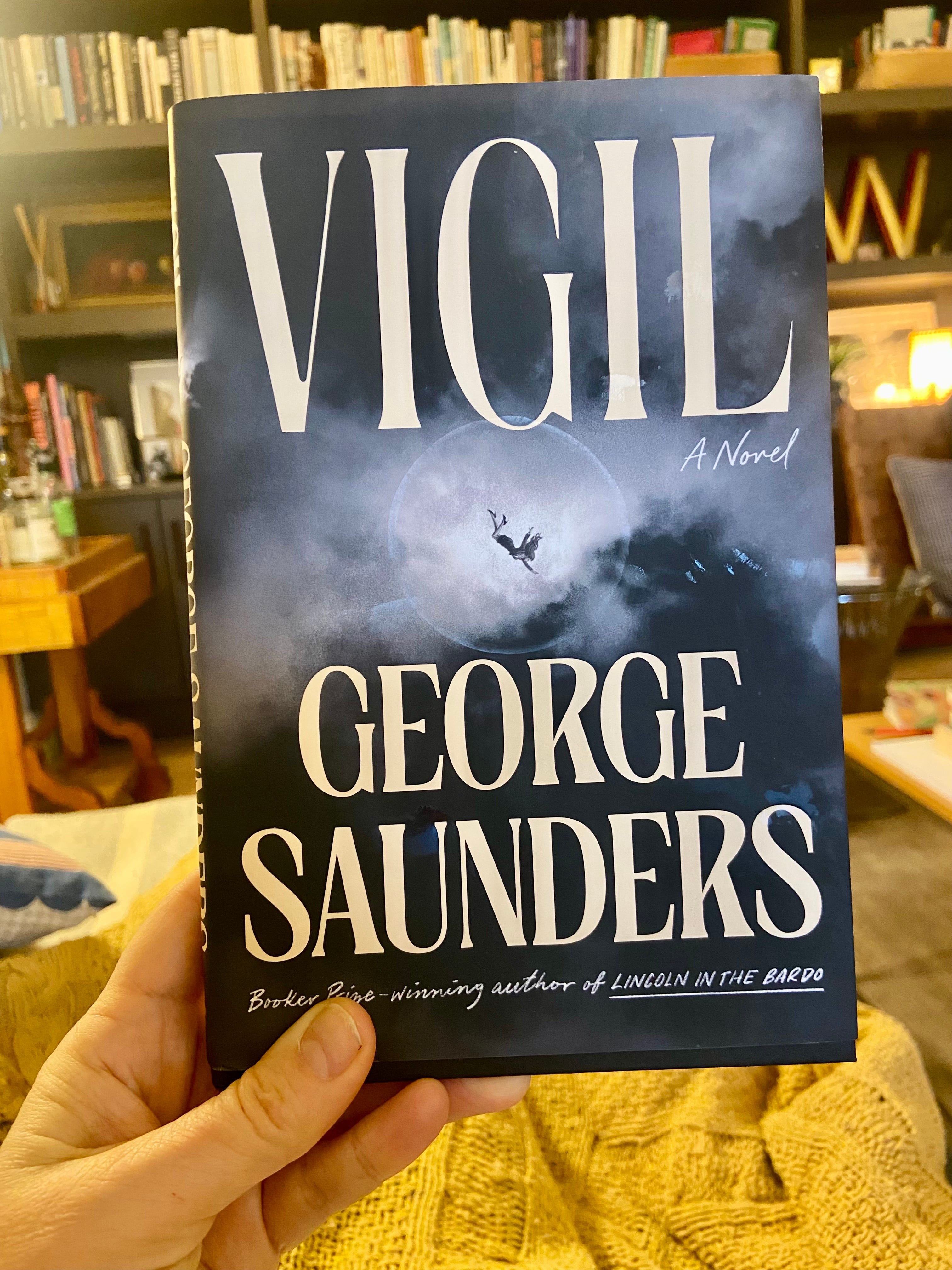
It’s always a great day when you can say these six words: George Saunders wrote a new book. It’s called Vigil and fans of Lincoln in the Bardo, his 2017 Booker Prize-winning novel, will be happy to hear that Saunders is again calling on ghosts and angels to address a few thorny questions we struggle with here on earth, namely: What is good? What is evil? How much agency do we have in the way our own characters are shaped? How do we feel compassion for people we don’t understand?
The protagonist of the novel is Jill “Doll” Blaine, an angel responsible for ushering the dying into the afterlife, offering comfort along the way. Since her own death, she’s done this successfully hundreds of times, but with her latest charge, it’s different. The man on his death bed is Texas oil tycoon K.J. Boone. He’s self-made, self-important, and — here’s the hard part for Jill — pigheadedly unrepentant, even as he’s visited by a swarm of (often hilarious) characters, both alive and dead, who are determined to make him see how the climate crisis has devastated their lives and the world around them. He is unmoved.
The genius of the book, which reads like a fable, is that as a reader you want it to be a straightforward tale of good vs. evil — you so badly want the patient, compassionate Jill to shake him or yell at him, or shake him while yelling at him Are you f’ing kidding me with all this anti-science propaganda? But anyone familiar with Saunders’s writing, knows this is not what he does. The angels have a superpower. They’re able to slip into the consciousness of people who are alive, and instantly feel what they are feeling — resentment, power, anger, love drawn from intimately rendered memories — and as this happens, as we start really learning, even feeling, a person’s story, we start questioning our own instinct to judge them. Saunders talked about this last week in a great interview with David Marchese:
That seems to me…the magic of fiction, because in fiction I can make a person that I really don’t like — like this guy in the book, he’s a stinker — but through the weird side door of trying to make the language about him more interesting, pretty soon “like” and “dislike” become almost useless phrases. You are him. You have been him. Specificity negates judgment. So as I work harder and harder to know that guy, my sense of wanting to judge him seems juvenile. Anybody can judge. Let’s go deeper. I really cherish that feeling. Of course it doesn’t last beyond the page, and I’m sure if I met his real-life corollary, I’d be sneering at him. But what a blessing to, for a few minutes a day, ascend up out of your habit.
Specificity negates judgment. How great is that? I know it’s not a new thing to say that reading fiction teaches empathy (it is, after all, the reason we all drive ourselves so crazy trying teach our kids to love reading!), but it’s always a comforting reminder to hear that this superpower — understanding people, feeling compassion where we otherwise wouldn’t — is not just for angels. It’s available to all of us if we want it.
Vigil is out next week! You can pre-order here.
Have a great week,
Jenny

Five years on, this newsletter is still a labor of love, but it’s still, uh, labor. If you like what you read here, if you use what you read here, consider becoming a paying subscriber. Or, you can just hit the ❤️ button at the top left or bottom left of this newsletter, which helps spread the word about Dinner: A Love Story — and also really makes my day.
I still remember reading the first one - locked in the tiny pantry so that I was away from my two even tinier kids and thinking: someone else sees this craziness and is going to bring some pleasure.
And you have - so consistently. I don’t cook; I never cook. But I love love love reading your generous writing. Thank you.
Put the kale in a Kitchenaid mixer with a paddle-hands off massaging!